
Andres Iniesta's 116th-minute goal didn't just win the 2010 World Cup Final for Spain. It validated a philosophy. For 115 minutes, the Netherlands had tried to bully Spain out of their rhythm—Nigel de Jong's karate kick to Xabi Alonso's chest in the 28th minute was the ugliest moment, but not the only one. Referee Howard Webb showed 14 yellow cards。a final record, and somehow didn't send off anyone. The Dutch plan was clear: disrupt, foul, hope for penalties. It nearly worked. Arjen Robben had two one-on-one chances against Iker Casillas, one in the 62nd minute and another in the 83rd. Both times, the ball rolled agonizingly wide or into the keeper's legs. You could feel the tension through the television screen—Soccer City in Johannesburg was a cauldron of vuvuzela noise and nervous energy.Spain's victory wasn't inevitable. They lost their opening match to Switzerland, 1-0, a result that sent shockwaves through the tournament. Critics said tiki-taka was toothless, all possession and no penetration. But Vicente del Bosque kept faith. He started David Villa as a lone striker, with Iniesta, Xavi, and Pedro rotating behind him. The system demanded patience, and Spain had it in spades. In the final, they completed 575 passes to the Netherlands' 392. Xavi alone attempted 136 passes, more than any Dutch player except Wesley Sneijder. That statistical dominance didn't translate into clear chances until extra time。
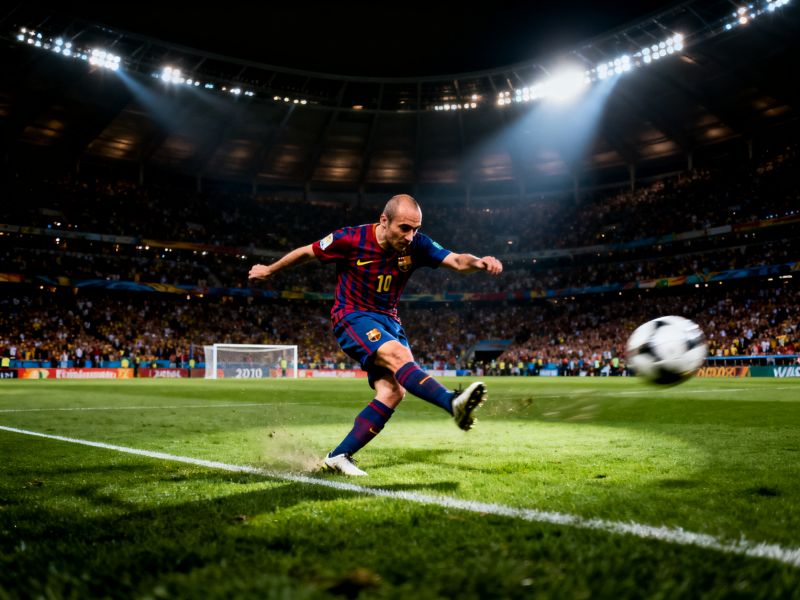
when the Dutch legs finally tired and spaces opened. Iniesta's goal came from a quick exchange with Cesc Fabregas, who had come off the bench. A low, precise finish into the far corner. The 2010 World Cup Final was won not by brute force but by collective intelligence.What strikes me most, looking back。is how that match defined a generation. Casillas lifting the trophy in Soccer City—the first World Cup on African soil—felt like a coronation for Spanish football. They had won Euro 2008 and would win Euro 2012, a treble no national team had ever achieved. But the 2010 World Cup Final was the peak. The Dutch, meanwhile, were left with the label of nearly-men. Bert van Marwijk's side played cynical football that night, and it backfired. Robben's misses haunted him for years. He later admitted he still thinks about that second chance. The cruelty of a single match.The 2010 World Cup Final also marked a turning point in how the world watched soccer. It was the first final broadcast in 3D, a gimmick that never really caught on. The vuvuzelas became a global meme, annoying and unforgettable. And the ball, the Jabulani, wobbled unpredictably, drawing complaints from goalkeepers and strikers alike. Diego Forlan won the Golden Ball, a rare honor for a player who didn't reach the final—Uruguay's run to the semifinals was the tournament's feel-good story. Spain's win, though。wasn't about feel-good. It was about dominance. They conceded just two goals in seven matches, both in the group stage. The defense, led by Carles Puyol and Gerard Pique, was as stubborn as the midfield was creative.Eight seconds. That's how long it took from Fabregas's pass to Iniesta's shot. In that moment。
decades of Spanish underachievement evaporated. The 2010 World Cup Final didn't just produce a champion—it changed expectations. Teams started copying Spain's possession-based approach, sometimes badly. The Dutch abandoned their own attacking traditions for pragmatism and lost. Soccer's eternal debate between beauty and results found its answer that night in Johannesburg: beauty won, but only just. And that's why the 2010 World Cup Final remains one of the most compelling finals ever played—not for goals, but for the ideological battle it represented.